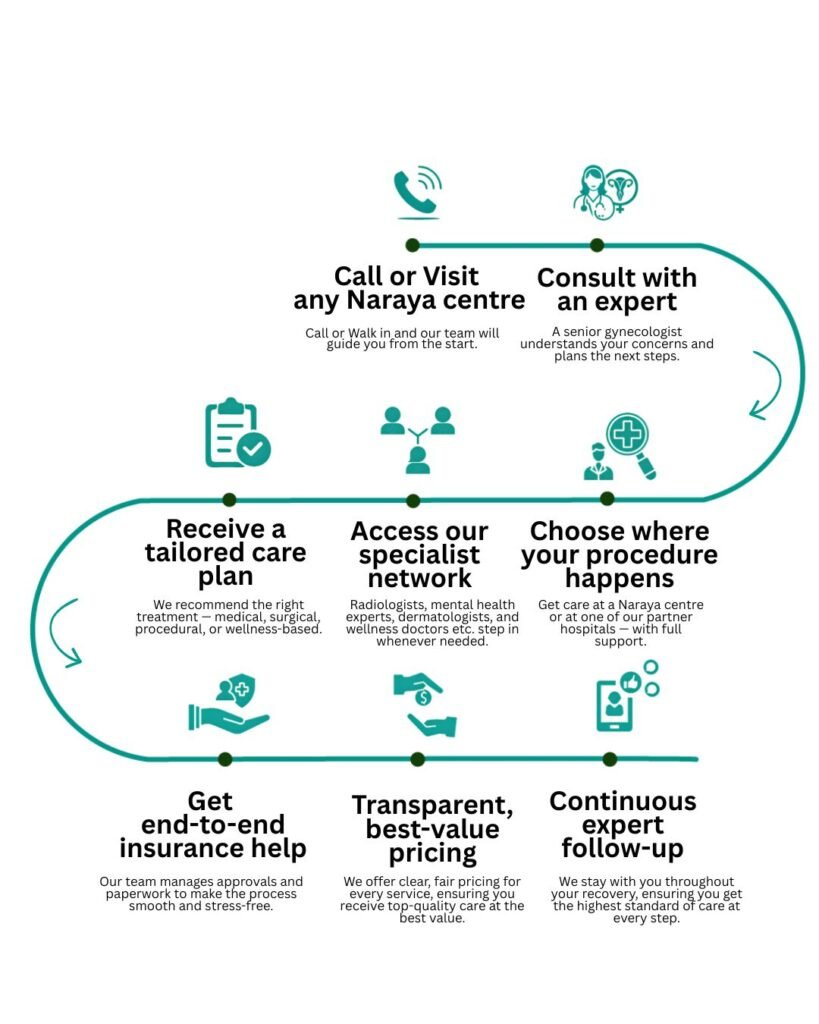
Uterine Prolapse Treatment at Naraya Healthcare focuses on managing the condition where the uterus descends from its normal position, often causing discomfort, urinary issues, or pelvic pressure. Our specialists provide accurate diagnosis and personalized care, offering both non-surgical options like pelvic floor therapy and pessary support, as well as surgical solutions when necessary.
At Naraya Healthcare, we combine advanced medical expertise with compassionate guidance to restore pelvic health, improve quality of life, and support long-term wellness. Our goal is to help women regain confidence, comfort, and optimal reproductive and pelvic function.
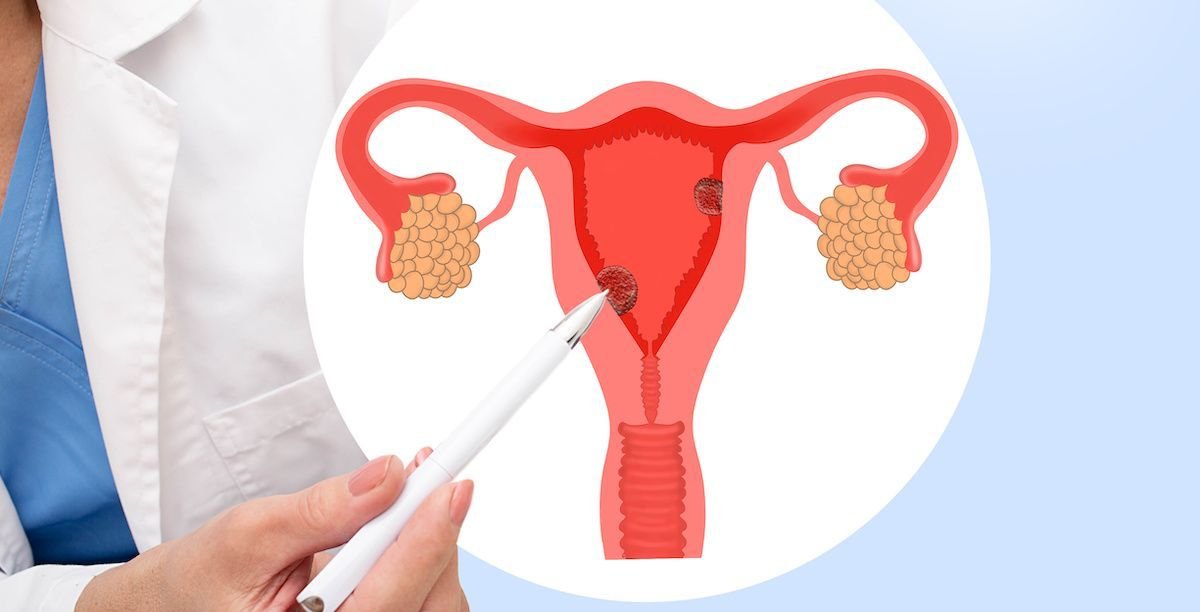
Uterine prolapse is a condition where the uterus descends from its normal position into the vagina due to weakened pelvic floor muscles and connective tissues. In severe cases, the uterus may even protrude outside the vaginal opening — a condition known as procidentia.
Uterine prolapse occurs when support structures (muscles, ligaments) become weak or damaged. Common causes include:
Childbirth & Vaginal Deliveries – Multiple or traumatic deliveries stretch pelvic muscles.
Aging & Menopause – Reduced estrogen weakens pelvic support.
Obesity – Excess weight increases pressure on pelvic organs.
Chronic Straining or Coughing – Long-term constipation or cough raises intra-abdominal pressure.
Heavy Lifting & Repeated Strain – Occupational or lifestyle strain contributes to weakness.
Symptoms may start gradually and become more noticeable over time. Common symptoms include:
A sensation of heaviness or pressure in the pelvis.
Feeling of uterus “coming down” or a bulge at the vaginal opening.
Pain or discomfort during intercourse.
Urinary issues such as leakage or incomplete bladder emptying.
Constipation or difficulty passing stool.
Lower back pain or pelvic discomfort.
If you notice a visible bulge or a tissue protrusion from the vagina, seek medical evaluation promptly.
Diagnosis begins with a physical pelvic exam. Additional assessments may include:
Ultrasound or MRI imaging (if needed).
Urodynamic testing to assess bladder function.
Accurate diagnosis helps determine the stage of prolapse and best treatment plan.
Uterine prolapse can be graded based on how far the uterus descends:
Stage I — Down into upper vagina
Stage II — At the vaginal opening
Stage III — Near or outside vaginal opening
Stage IV (Procidentia) — Entire uterus outside vagina
Treatment depends on severity, symptoms, age, and desire for future pregnancy.
Pelvic floor strengthening exercises (Kegel exercises).
Pessary device — A removable support placed in the vagina.
Lifestyle changes — Weight management, avoiding heavy lifting, treating chronic cough/constipation.
Hormone (Estrogen) Therapy for postmenopausal women to improve tissue strength.
Surgery is recommended for moderate to severe prolapse or when conservative care fails:
Uterine suspension — Lifts and secures the uterus.
Vaginal hysterectomy — Removal of uterus in select cases.
Your gynaecologist will discuss individualized treatment based on your condition.
While not all cases are preventable, you can reduce your risk by:
Maintaining a healthy weight and active lifestyle.
Doing pelvic floor exercises regularly.
Avoiding heavy lifting and straining.
Eating a high-fiber diet and drinking plenty of water to avoid constipation.
Seek expert care if you experience:
Persistent pelvic pressure or discomfort
Urinary or bowel problems
Visible bulge or tissue protrusion
Pain during daily activities
Symptoms affecting quality of life
Early evaluation helps prevent progression and complications.
Whether you’re concerned about uterus coming down, pelvic heaviness, or urinary issues, early consultation with a specialist gynecologist ensures accurate diagnosis and tailored care — from pelvic floor therapy to advanced surgical options.
🩺 Book Your Expert Consultation Today!
Begin your health journey today — book a consultation with our trusted experts.