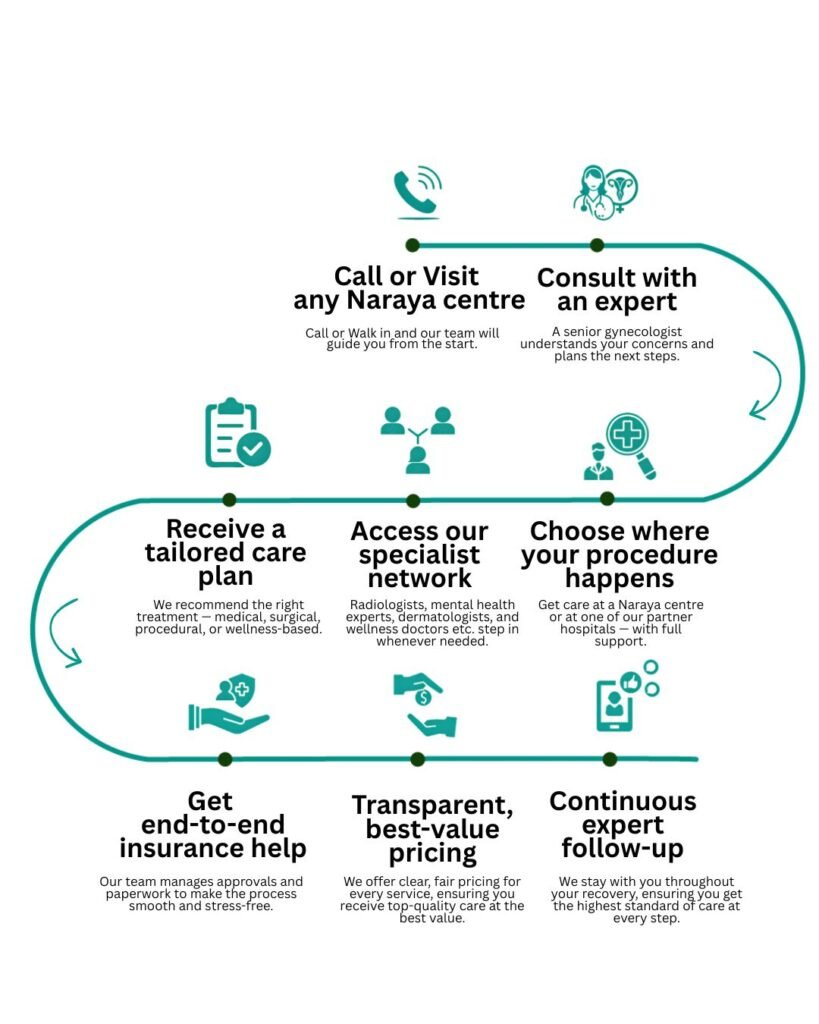
HPV Vaccination at Naraya Healthcare provides effective protection against high-risk human papillomavirus strains that can cause cervical cancer and other genital infections. The vaccine is recommended for preteens, adolescents, and young adults, helping to prevent HPV-related diseases before exposure and promoting long-term reproductive health.
At Naraya Healthcare, we offer safe and well-monitored vaccination administered by experienced healthcare professionals. Our team also provides guidance on the vaccination schedule, benefits, and follow-up, ensuring women and young individuals are empowered to protect their cervical and overall health.
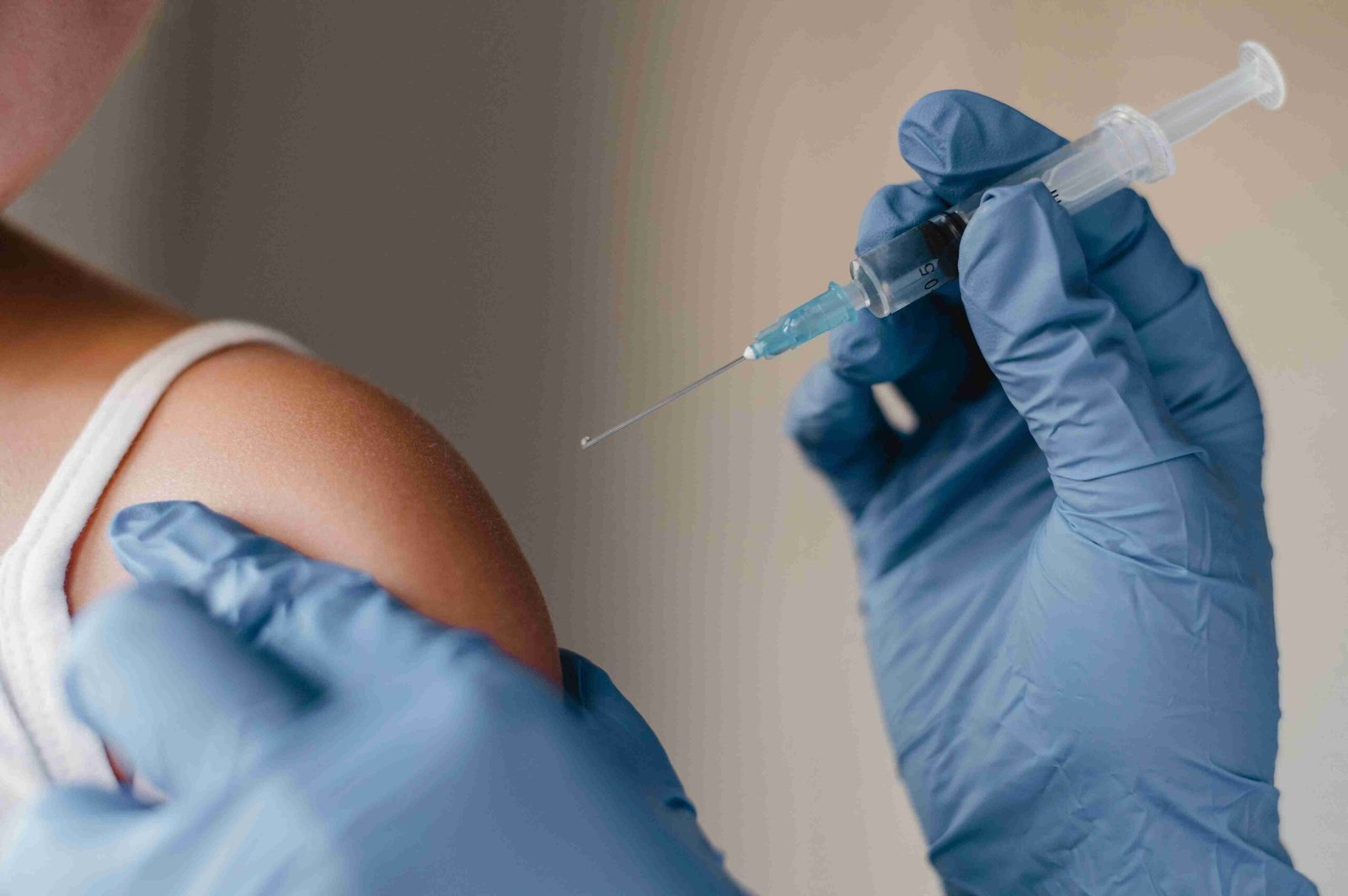
The HPV vaccine protects against human papillomavirus (HPV), a common sexually transmitted infection responsible for cervical cancer, genital warts, and other HPV-related cancers. Vaccination helps prevent infection from high-risk HPV types, especially HPV-16 and HPV-18, which cause most cervical cancer cases.
The vaccine is most effective when given before exposure to HPV, but it can still offer benefits later.
HPV infection often has no symptoms, allowing the virus to persist and cause abnormal cell changes over time. Vaccination significantly reduces the risk of:
Cervical cancer
Vulvar and vaginal cancers
Anal and oropharyngeal cancers
Genital warts
HPV vaccination is a key preventive step in women’s reproductive health.
HPV vaccination is recommended for:
Girls and boys 9–14 years (ideal age)
Adolescents and young adults
Women up to 45 years, based on medical advice
Individuals who are sexually active but not previously vaccinated
Vaccination does not replace regular Pap smear or HPV testing.
The dosage depends on age:
9–14 years: 2 doses (6–12 months apart)
15 years and above: 3 doses (0, 2, and 6 months)
Your gynecologist will recommend the correct schedule.
The HPV vaccine is safe and well-tolerated. Common side effects include:
Mild pain or swelling at the injection site
Low-grade fever
Headache or fatigue
Serious side effects are rare.
Yes. Sexually active women can still benefit from the HPV vaccine, as it may protect against HPV types they have not yet encountered. However, it does not treat existing HPV infections.
Not recommended during pregnancy
Safe during breastfeeding
Accidental vaccination during pregnancy is not harmful but further doses are postponed
Women and adolescents can access HPV vaccination with expert guidance, proper counseling, and safe administration. A gynecologist can help decide the right age and dosage schedule based on individual needs.
The HPV vaccine is a powerful tool in preventing cervical cancer and HPV-related diseases. Early vaccination combined with regular screening offers the best long-term protection for women’s health.
Begin your health journey today — book a consultation with our trusted experts.