
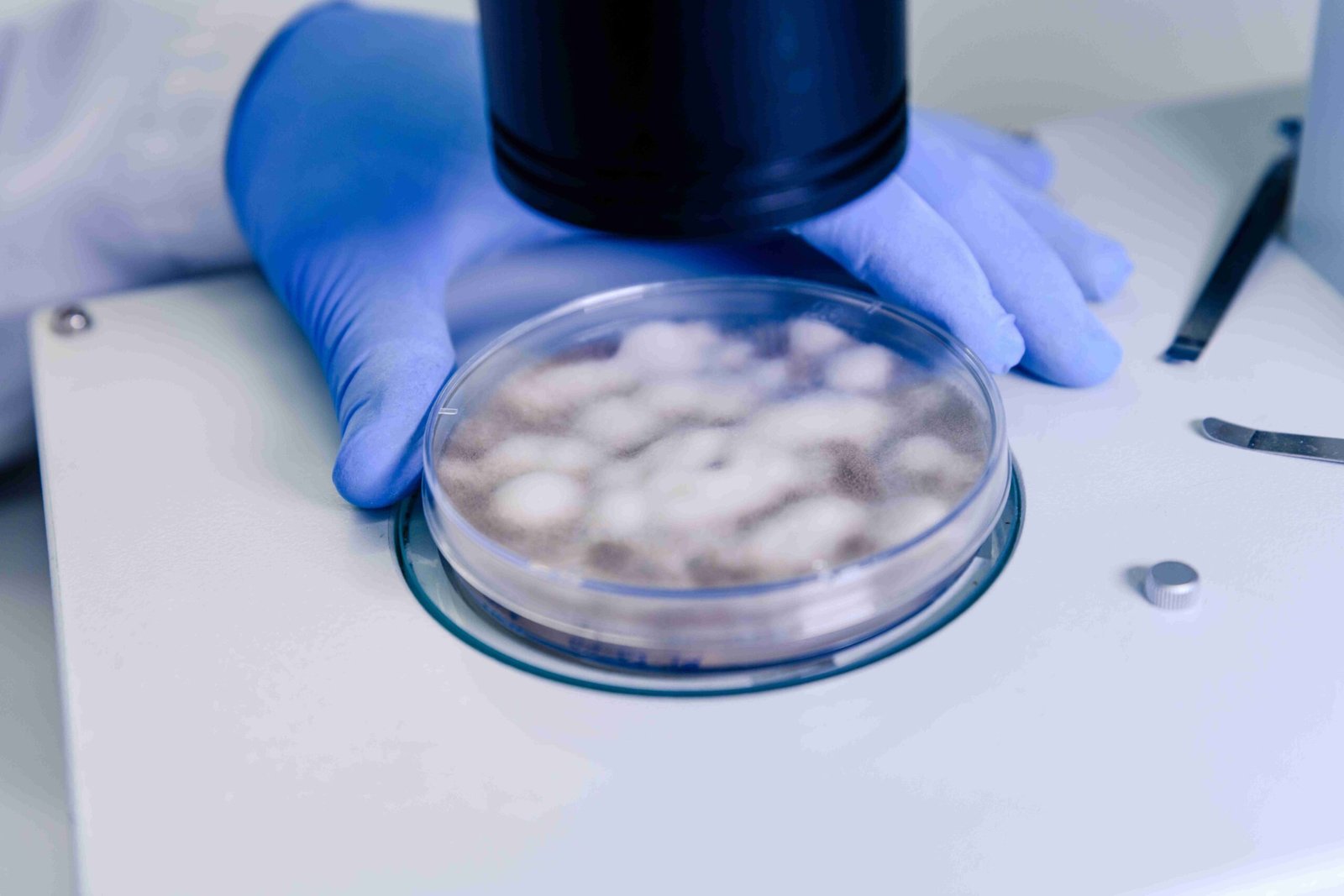

Cryo-preservation embryo / blastocyst freezing In Mumba iis an advanced fertility technique used in IVF to preserve fertilized embryos for future use. This method allows embryos to be stored safely at ultra-low temperatures without affecting their quality or implantation potential.
Embryo freezing involves preserving fertilized eggs, while blastocyst freezing is done when embryos reach day 5 or day 6 of development. Blastocysts have a higher chance of implantation and are commonly chosen for cryo-preservation in modern IVF treatments.
Eggs are retrieved and fertilized through IVF
Embryos are cultured until the blastocyst stage
Advanced vitrification freezing is used
Embryos are stored at −196°C until required
This process ensures excellent embryo survival after thawing.
Preserves fertility for future pregnancy
Avoids repeated ovarian stimulation
Improves pregnancy planning flexibility
High success rates with frozen embryo transfer
Safe and proven technology
Couples undergoing IVF
Women planning delayed pregnancy
Patients undergoing cancer treatment
Those with excess high-quality embryos
Cryo-preservation is a safe procedure with pregnancy outcomes equal to or better than fresh embryo transfers when performed using vitrification techniques.
At Naraya Health, we believe in giving you more options, control, and peace of mind in your fertility journey. Cryo-preservation (freezing embryos or blastocysts) is a powerful tool that complements our IVF and fertility programs, allowing you to pause the biological clock or preserve fertility before medical treatments.
Flexibility in timing — You decide when to use your embryos, without repeated ovarian stimulation.
Better IVF efficiency — More opportunities for embryo transfer cycles from a single stimulation.
Medical safeguard — Ideal for patients facing treatments (e.g. chemotherapy, radiotherapy) that might impair fertility.
High survival rates — With modern vitrification, embryo survival and clinical outcomes are excellent under skilled care.

Cryo-preservation embryo / blastocyst freezing in mumbai is a crucial part of advanced IVF treatment that allows embryos to be safely preserved for future pregnancy attempts. This technique improves treatment flexibility and increases overall IVF success rates.
Cryo-preservation embryo freezing is the process of preserving fertilized embryos at ultra-low temperatures using advanced freezing methods. The embryos remain biologically inactive until thawed, without losing their developmental potential.
Cryo-preservation blastocyst freezing is performed when embryos reach the blastocyst stage (day 5 or day 6 of development). Blastocysts are more developed and show higher implantation potential, making them ideal for freezing and later transfer.
Ovarian stimulation and egg retrieval
Fertilization through IVF or ICSI
Embryo development monitoring
Selection of high-quality embryos
Cryo-preservation using vitrification
Vitrification is the preferred method for cryo-preservation blastocyst freezing. It rapidly freezes embryos, preventing ice crystal formation and ensuring higher survival rates after thawing.
Preserves fertility for future pregnancy
Reduces the need for repeated IVF cycles
Allows better uterine preparation before transfer
Improves cumulative pregnancy success rates
Higher implantation potential
Better embryo selection
Improved pregnancy outcomes
Safer alternative to fresh embryo transfer
Couples undergoing IVF treatment
Patients with excess high-quality embryos
Women planning delayed pregnancy
Individuals undergoing medical treatments affecting fertility
Repeated IVF failures
Risk of ovarian hyperstimulation
Planned frozen embryo transfer cycles
Need for genetic testing before transfer
With modern vitrification techniques, pregnancy success rates after cryo-preservation embryo freezing are comparable to or higher than fresh embryo transfers.

Begin your health journey today — book a consultation with our trusted experts.