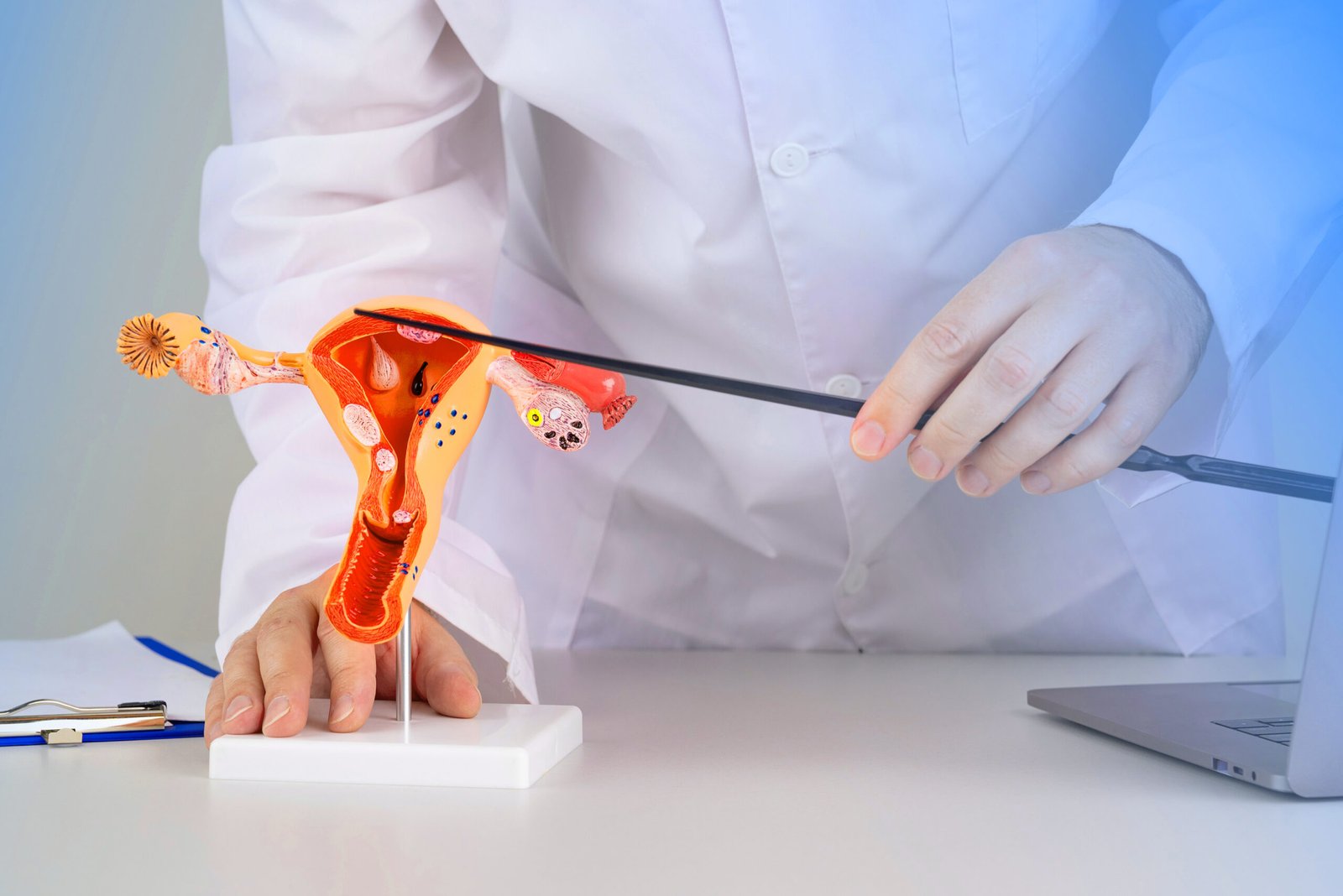
Fibroids in Mumbai, also known as uterine fibroids, are common non-cancerous growths that develop in or around the uterus. These growths are made of muscle and fibrous tissue and can vary greatly in size, number, and location. While many women with fibroids experience no symptoms, others may face significant discomfort that affects their daily life, menstrual health, and fertility.
At Naraya Health, we provide comprehensive evaluation and personalized treatment options for fibroids, focusing on symptom relief, fertility preservation when required, and long-term women’s health.
Uterine fibroids in mumbai are benign tumors that arise from the muscular wall of the uterus. They are most commonly seen in women between the ages of 30 and 50 and are influenced by hormonal factors such as estrogen and progesterone. Fibroids may be present as a single growth or multiple growths within the uterus.
Depending on their size and location, fibroids may remain unnoticed or cause a range of gynecological symptoms requiring medical attention.
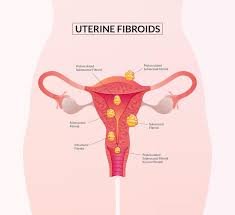
Fibroids in mumbai are classified based on where they grow in the uterus:
These grow within the uterine wall and are the most common type. They can cause heavy menstrual bleeding and pelvic pain.
Located just beneath the uterine lining, these fibroids often cause heavy and prolonged menstrual bleeding and may affect fertility.
These develop on the outer surface of the uterus and may press on surrounding organs, leading to pelvic pressure or urinary symptoms.
These fibroids grow on a stalk and can be either inside or outside the uterus, sometimes causing sharp pain if they twist.
Fibroid symptoms vary depending on size, number, and location. Common symptoms include:
Heavy or prolonged menstrual bleeding
Painful periods
Pelvic pain or pressure
Lower back pain
Frequent urination
Constipation
Pain during sexual intercourse
Abdominal bloating or enlargement
Difficulty conceiving or pregnancy complications
Some women may have fibroids without any noticeable symptoms, which is why regular gynecological check-ups are important.
The exact cause of fibroids is not fully understood, but several factors may increase the risk:
Hormonal imbalance (estrogen and progesterone)
Family history of fibroids
Increasing age during reproductive years
Obesity or sedentary lifestyle
Early onset of menstruation
Hormonal changes during pregnancy may cause fibroids to grow temporarily, while they often shrink after menopause.
Accurate diagnosis is essential to determine the most suitable treatment approach.
A gynecological exam may reveal an enlarged or irregularly shaped uterus.
Ultrasound is the most commonly used imaging test to confirm the presence, size, and location of fibroids.
TVS provides more detailed images of the uterus and helps in precise assessment.
MRI may be recommended in complex cases or before planning surgical treatment to map fibroids accurately.
Blood tests may be done to check for anemia caused by heavy menstrual bleeding.
Treatment depends on symptoms, fibroid size, age, fertility goals, and overall health.
If fibroids are small and not causing symptoms, regular monitoring with periodic scans may be sufficient. This approach is often recommended when fibroids do not interfere with daily life or fertility.
Medications may be used to manage symptoms such as heavy bleeding and pain. These treatments help control symptoms but do not permanently eliminate fibroids. Medical management may include hormonal therapies or other symptom-relieving medications.
When fibroids cause significant symptoms, minimally invasive treatment options may be advised.
This surgical procedure removes fibroids while preserving the uterus. It is suitable for women who wish to retain fertility.
These minimally invasive techniques use small incisions or a hysteroscope to remove fibroids, resulting in faster recovery and less discomfort.
This non-surgical procedure reduces blood supply to fibroids, causing them to shrink over time.
In severe cases or when childbearing is complete, hysterectomy may be recommended as a definitive solution for fibroids. This procedure permanently removes the uterus and eliminates the chance of recurrence.
Fibroids can sometimes interfere with conception or pregnancy, depending on their location and size. Submucosal and large intramural fibroids are more likely to affect fertility. Timely diagnosis and appropriate treatment can significantly improve reproductive outcomes for women planning pregnancy.
Lifestyle changes can help manage symptoms and support overall health:
Maintain a healthy body weight
Follow a balanced diet rich in iron and nutrients
Exercise regularly
Manage stress levels
Seek medical evaluation for menstrual irregularities
Early consultation can prevent complications such as severe anemia or reproductive issues.
Experienced gynecologists and women’s health specialists
Advanced imaging and diagnostic facilities
Personalized treatment plans
Minimally invasive surgical options
Integrated care for fertility and pregnancy planning
Focus on patient comfort and long-term wellbeing
Our team ensures compassionate, ethical, and evidence-based care for every woman.