Fistula Treatment at Naraya Healthcare focuses on the diagnosis and management of abnormal connections between the bladder, vagina, or rectum, which can cause urinary or fecal leakage and significant discomfort. Our specialists provide accurate evaluation and personalized treatment plans to address the condition effectively and restore normal function.
At Naraya Healthcare, we offer advanced surgical and non-surgical solutions, combined with compassionate care and follow-up support. Our approach aims to relieve symptoms, promote healing, and help women regain confidence, comfort, and overall pelvic health.
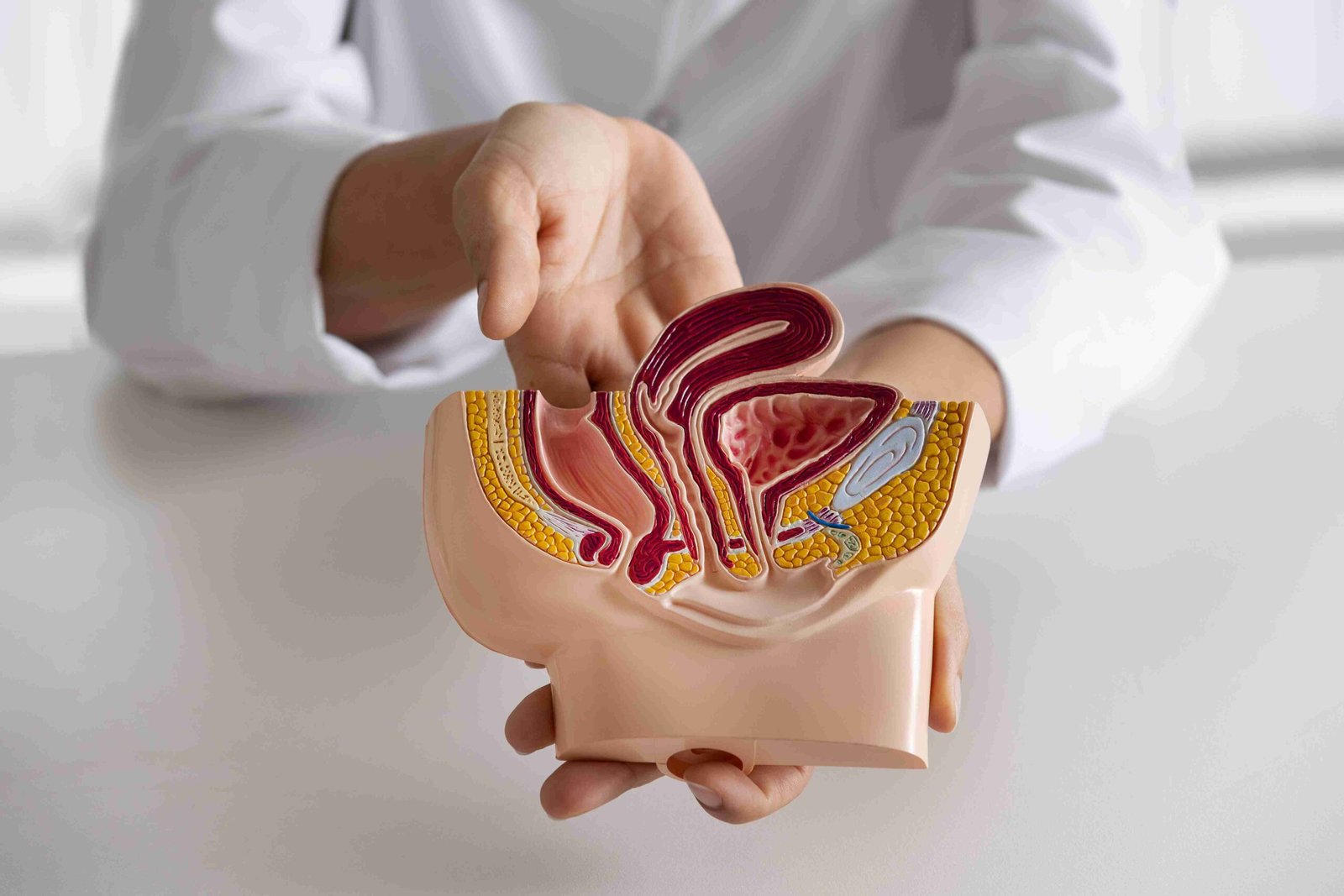
A fistula is an abnormal connection or tunnel that forms between two organs or structures that normally do not connect. In women’s health, fistulas most often involve the vagina and the bladder or bowel, leading to continuous leakage of urine or stool.
Fistulas can affect a woman’s physical comfort, emotional well-being, hygiene, and quality of life if left untreated.
Common gynecologic and pelvic fistulas include:
A connection between the bladder and vagina
Causes uncontrolled urine leakage into the vagina
A connection between the rectum and vagina
Leads to stool or gas passing through the vagina
Ureterovaginal, urethrovaginal, enterovaginal, colovaginal (rare but possible based on location and cause)
Fistulas can develop from several underlying health or delivery-related factors:
Childbirth injuries, especially prolonged or obstructed labour (obstetric fistula)
Pelvic surgery complications (e.g., hysterectomy, caesarean section)
Radiation therapy to pelvic organs
Inflammatory bowel diseases such as Crohn’s Disease
Infection or trauma to pelvic tissues
Obstetric fistulas are a serious consequence of difficult labour and affect women globally, particularly where emergency obstetric care is delayed or unavailable.
Symptoms vary based on the fistula’s type and location but can include:
Continuous leakage of urine or stool via the vagina
Foul-smelling vaginal discharge
Recurrent urinary tract infections (UTIs)
Pelvic or abdominal pain
Painful intercourse (dyspareunia)
Skin irritation or infection near the genital or perineal area
Symptoms can be emotionally distressing and may impact daily activities and self-confidence.
Diagnosis typically involves:
Medical history review and physical exam, including pelvic assessment
Dye tests to trace urine leakage
Imaging such as ultrasound, MRI, CT scans, or fistulograms
Endoscopy or cystoscopy to examine internal structures
Accurate diagnosis determines the type, size, and best treatment approach.
Treatment depends on fistula type, severity, and surrounding tissue health:
Urinary catheterization for small bladder fistulas to allow healing
Antibiotics or anti-inflammatory treatment when infection or inflammation is present
Surgery is the most effective and common treatment for most fistulas:
Fistula repair surgery to close the abnormal tract
Tissue grafts or flaps to strengthen the repair site
Colostomy in complex cases to divert stool temporarily before repair
Most gynecologic fistula surgeries have high success rates, especially when performed by experienced pelvic surgeons.
Prevention focuses on reducing risk factors:
Timely quality obstetric care to prevent fistulas from obstructed labour
Skilled surgical techniques and infection control
Early management of pelvic infections and inflammatory conditions
Untreated fistulas can lead to recurrent infections, skin and pelvic tissue irritation, urinary or bowel dysfunction, and significant emotional and social stress. Early diagnosis and repair improve outcomes and preserve quality of life.
If you notice symptoms of a fistula, consult a gynecologist or urogynecologist promptly. Expert care in Mumbai offers personalized diagnosis, comprehensive treatment options, and compassionate support tailored to your needs.
Begin your health journey today — book a consultation with our trusted experts.