PAP Smear and HPV Testing at Naraya Healthcare are essential preventive screenings for cervical health. The PAP smear detects abnormal cervical cells early, while the HPV test identifies high-risk human papillomavirus strains that can lead to cervical cancer. Together, these tests help in early detection and timely intervention, significantly reducing the risk of serious complications.
At Naraya Healthcare, we provide accurate, safe, and comfortable testing performed by experienced specialists. Our team also offers counseling on results, follow-up care, and preventive guidance, empowering women to maintain optimal reproductive health and peace of mind.
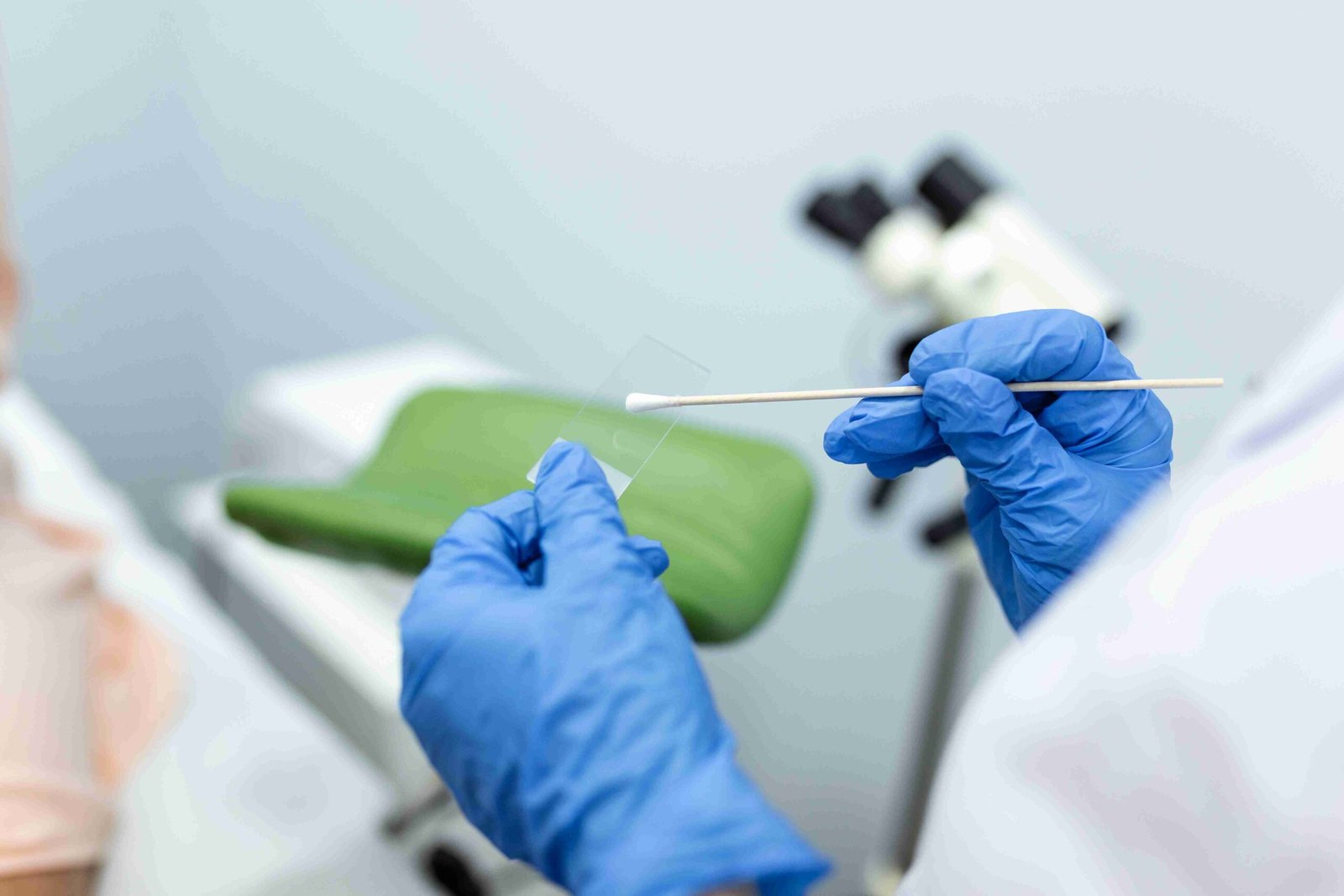
A Pap smear test is a simple screening procedure used to detect precancerous and cancerous changes in the cervix. During the test, cells are gently collected from the cervix and examined under a microscope to identify abnormal cell changes that may lead to cervical cancer if left untreated.
Regular Pap smear screening plays a crucial role in early detection and prevention of cervical cancer, especially when performed at recommended intervals.
The HPV test detects the presence of high-risk human papillomavirus (HPV) strains that are responsible for most cases of cervical cancer. High-risk HPV types such as HPV-16 and HPV-18 can cause persistent infection and abnormal cervical cell changes.
The HPV test may be done:
Along with a Pap smear (co-testing), or
As a primary screening test in certain age groups.
| Pap Smear | HPV Test |
|---|---|
| Detects abnormal cervical cells | Detects high-risk HPV infection |
| Identifies cell changes | Identifies cancer-causing virus |
| Helps detect precancer early | Helps assess future cancer risk |
| Microscopic examination | Molecular testing |
Both tests together provide better accuracy for cervical cancer screening.
Cervical cancer screening is recommended for:
Sexually active women
Women aged 21 years and above
Women with multiple sexual partners
Women with a history of HPV infection
Women with abnormal vaginal bleeding or discharge
Screening intervals depend on age, test type, and previous results.
Pap smear alone: Usually every 3 years
Pap smear and HPV test (co-testing): Every 5 years
HPV test alone: As advised by the gynecologist
Your doctor may recommend more frequent screening if you have abnormal results or risk factors.
The procedure is performed during a routine gynecological exam.
A speculum is gently inserted into the vagina.
Cervical cells are collected using a soft brush or spatula.
The process is quick, safe, and usually painless.
Some women may experience mild discomfort or spotting, which resolves quickly.
Results may include:
Normal / Negative: No abnormal cells or HPV detected
ASCUS / LSIL / HSIL: Abnormal cervical cell changes
HPV Positive: Presence of high-risk HPV strains
Abnormal results do not always mean cancer but may require:
Repeat testing
Colposcopy
Biopsy
Further monitoring
Early detection of precancerous changes
Prevention of cervical cancer
Simple and non-invasive procedure
Improves long-term women’s health outcomes
Early diagnosis allows timely treatment and significantly reduces cancer risk.
Women in Mumbai can access advanced cervical cancer screening with accurate testing methods, expert interpretation, and personalized follow-up care. Early screening is the most effective way to protect long-term reproductive health.
Pap smear and HPV testing are essential tools for cervical cancer prevention. Regular screening, even without symptoms, helps detect early changes and ensures timely treatment. Women should follow recommended screening schedules and consult a gynecologist for personalized advice.
Begin your health journey today — book a consultation with our trusted experts.